Understanding Reclaimed Water Systems
As global water scarcity becomes increasingly pronounced, the importance of efficient water management cannot be overstated. Reclaimed water systems offer an innovative solution to this pressing issue, allowing for the recycling of wastewater into high-quality reusable water. By harnessing advanced treatment technologies, these systems are designed to convert municipal and industrial effluent into water that can be safely reused for various applications, thereby promoting sustainability and resource conservation.
What Are Reclaimed Water Systems?
Reclaimed water systems are engineered processes designed to treat wastewater so that it can be reused for various purposes, such as irrigation, industrial processes, and even potable use in some cases. The underlying principle is to purify wastewater, rendering it safe and suitable for specific applications while significantly reducing the need for fresh water extraction from natural sources.
Key Components of Reclaimed Water Systems
These systems typically comprise a range of advanced components that work in tandem to ensure effective treatment:
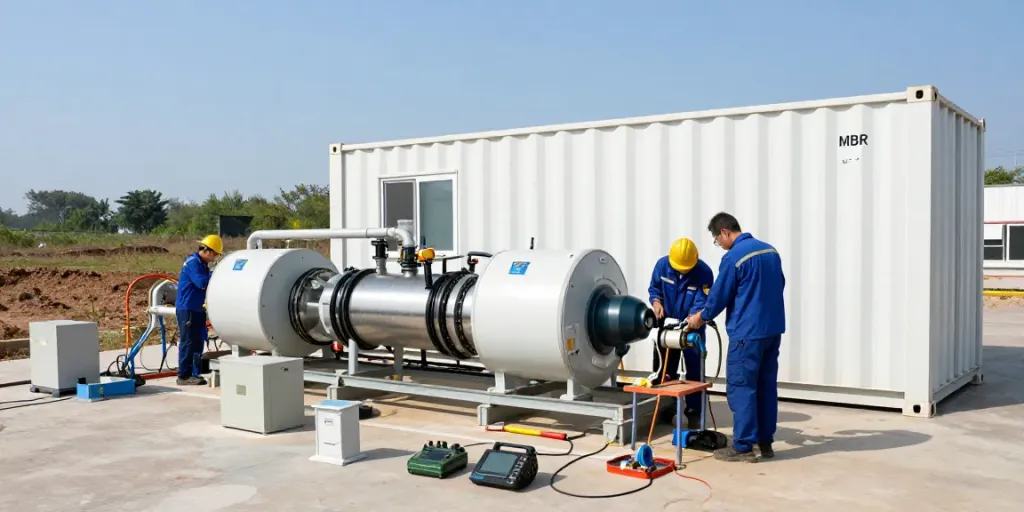
- Membrane Bioreactors (MBR): MBRs combine biological treatment with membrane filtration, effectively removing solids and pathogens from wastewater.
- Ultrafiltration (UF): This process further clarifies the water, eliminating microscopic particles and pathogens, ensuring high water quality.
- Reverse Osmosis (RO): RO is a crucial step in water purification, using high pressure to force water through semi-permeable membranes that remove dissolved salts and contaminants.
The Importance of Wastewater Recycling
Wastewater recycling is vital for multiple reasons. It not only helps in managing limited freshwater resources but also reduces the environmental footprint associated with wastewater disposal. This process contributes to ecological sustainability by minimizing the pollution of natural water bodies and lowering the demand on freshwater sources, which are becoming increasingly limited.
Benefits of Implementing Reclaimed Water Systems
The adoption of reclaimed water systems comes with numerous benefits that extend across economic, environmental, and social domains.
Environmental Impact and Resource Conservation
Implementing reclaimed water systems significantly mitigates the environmental impact of wastewater by reducing the volume of effluent released into the environment. This contributes to healthier ecosystems, particularly in regions where water scarcity is a pressing concern. Furthermore, these systems provide a viable alternative to groundwater and surface water sources, allowing for better management of natural resources.
Cost Efficiency and Economic Benefits
Reclaimed water systems can result in substantial cost savings for municipalities and industries. By utilizing treated wastewater, businesses can reduce their reliance on expensive water sources and lower operational costs associated with water procurement. Additionally, the implementation of such systems can lead to lower treatment costs and reduced expenses related to environmental compliance.
Applications in Various Industries
Reclaimed water systems cater to a variety of sectors, including:
- Agriculture: Used for irrigation, conserving potable water resources.
- Industrial Processes: Many industries require large volumes of water for cooling, processing, and cleaning; reclaimed water can fulfill these needs efficiently.
- Municipal Use: Reclaimed water can be used for landscape irrigation, park maintenance, and even toilet flushing in urban areas.
How Reclaimed Water Systems Work
Understanding the technical operation of reclaimed water systems helps to appreciate their significance in modern water management practices.
Step-by-Step Process of Water Reclamation
The process of reclamation involves several key steps:
- Preliminary Treatment: Large debris and solids are removed to prevent damage to equipment.
- Secondary Treatment: Biological methods break down organic matter.
- Tertiary Treatment: Advanced filtration or chemical treatments ensure the water meets safety standards.
Technologies Used in Reclaimed Water Systems
Aside from MBR, UF, and RO, several emerging technologies enhance the efficiency and effectiveness of reclaimed water systems:
- Advanced Oxidation Processes (AOP): These utilize powerful oxidants to degrade contaminants.
- Disinfection Technologies: UV light and chlorine can be employed to eliminate pathogens post-treatment.
- Smart Monitoring Systems: IoT devices can continuously monitor water quality, ensuring compliance with safety standards.
Challenges in Water Reclamation Processes
Despite their advantages, reclaimed water systems face challenges, including public perception regarding safety, regulatory hurdles, and the initial capital investment required for implementation. Addressing these issues through education and community engagement is essential for broader acceptance.
Case Studies: Successful Implementations
Examining real-world applications of reclaimed water systems provides valuable insights into their viability and effectiveness.
Municipal Water Reuse Projects
Cities like San Diego and Orange County have successfully implemented reclaimed water systems to augment their water supplies. These projects have demonstrated significant reductions in imported water dependence, showcasing the scalability of such solutions for urban areas facing water shortages.
Industrial Water Reclamation Success Stories
Industries such as beverage and food processing have reported substantial economic benefits from adopting reclaimed water systems, effectively lowering costs associated with water use while ensuring sustainability.
Lessons Learned from Reclaimed Water Systems
Successful implementation often hinges on community support and clear communication regarding the benefits and safety of reclaimed water. Engaging stakeholders early in the planning process is crucial for overcoming resistance and achieving project goals.
Future Trends in Reclaimed Water Systems
Looking forward, the field of reclaimed water systems is poised for innovation and expansion as sustainability becomes a global priority.
Innovations on the Horizon for Water Reuse Technologies
Advancements in filtration and treatment technologies promise to enhance the efficiency and effectiveness of reclaimed water systems. With ongoing research and development, techniques such as membrane distillation and zero-liquid discharge systems are emerging as potential game-changers.
Regulatory Changes Impacting Reclaimed Water Adoption
As water scarcity issues become more acute, regulations are evolving to encourage the adoption of reclaimed water systems. Governments are beginning to establish frameworks that facilitate safer, more widespread usage of reclaimed water.
Predictions for 2026 and Beyond in Water Reuse Practices
By 2026, the adoption of reclaimed water systems is expected to increase significantly, driven by both necessity and innovation. Developing regions and urban settings are likely to lead the charge, utilizing these systems to address water scarcity and enhance sustainability initiatives.
What is the importance of reclaimed water systems?
Reclaimed water systems are vital for ensuring a sustainable water future, directly addressing the challenges posed by water scarcity and environmental degradation.
How do reclaimed water systems benefit the environment?
These systems help conserve freshwater resources, reduce pollution, and promote sustainable water management practices that are essential in today's world.
Are reclaimed water systems safe for public use?
Yes, when properly treated, reclaimed water meets stringent health and safety standards, making it a viable option for various uses, including irrigation and, in some cases, direct potable reuse.