Understanding CNC Machining for Aerospace Parts
CNC machining stands as a pivotal technology in the aerospace industry, enabling the production of complex components with high levels of precision and efficiency. Since 2003, Honscn has specialized in providing professional CNC machining services tailored to aerospace applications. As a result, we have established ourselves among the leading aerospace cnc parts manufacturers, offering rapid prototyping and on-demand production for custom aerospace prototypes and production parts. Our commitment to quality, coupled with competitive pricing, has made us a trusted partner for aerospace enterprises worldwide.
What is CNC Machining and Its Importance
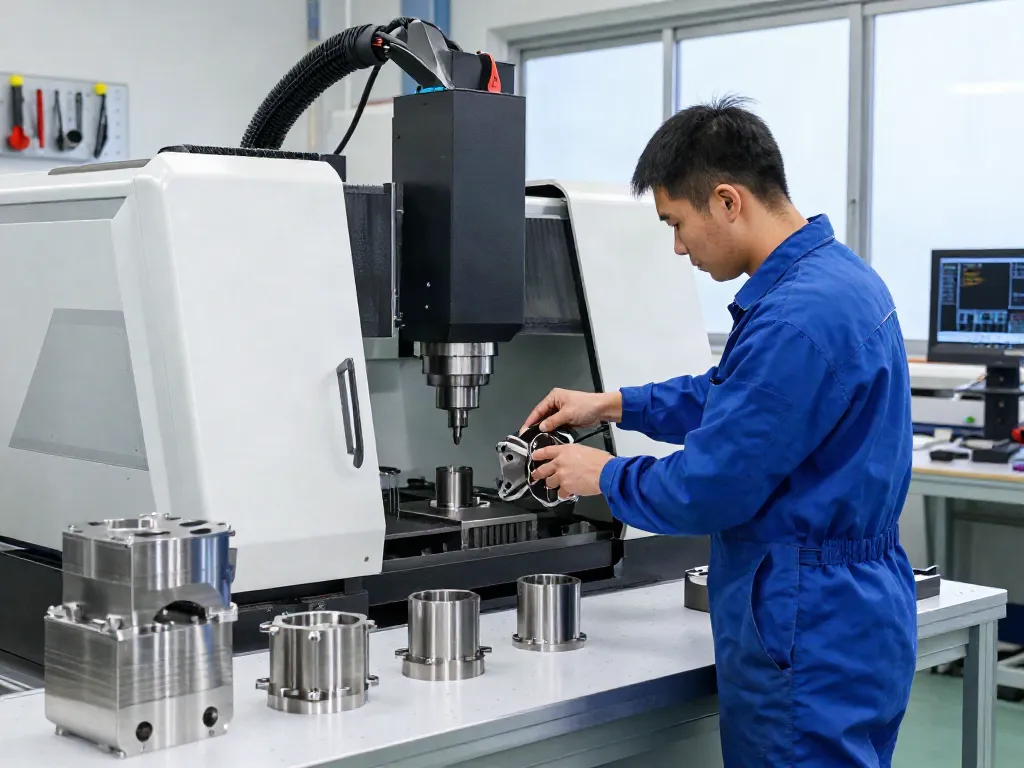
CNC machining, or Computer Numerical Control machining, is an advanced manufacturing process that allows for the precise control of machine tools via computer systems. This technology is crucial in aerospace manufacturing due to its capability to produce complex geometries and intricate designs that are often required for aircraft components and systems. By employing CNC machining, manufacturers can achieve high accuracy and repeatability, which is vital for meeting the stringent specifications dictated by the aerospace industry. Moreover, CNC machines can work with a wide variety of materials, including metals and plastics, making them versatile tools for producing aerospace parts.
Key Benefits of CNC Machining in Aerospace
The advantages of CNC machining in the aerospace sector are manifold:
- Precision and Accuracy: CNC machining ensures that components are produced to exact specifications, which is essential in the aerospace industry where even minor deviations can lead to performance failures.
- Efficiency: CNC machines operate continuously and can produce multiple parts in a single cycle, significantly reducing manufacturing times.
- Complex Designs: The technology enables the creation of intricate geometries that manual machining cannot achieve, allowing for innovation in design.
- Material Versatility: CNC machining accommodates a wide range of materials, from lightweight alloys to high-strength plastics, essential for various aerospace applications.
- Reduced Labor Costs: Automation reduces the need for extensive manual labor, lowering overall production costs.
Materials Commonly Used in Aerospace CNC Parts
In aerospace manufacturing, the choice of materials is critical. More than 35 different metal materials are commonly used, including:
- Aluminum Alloys: Lightweight yet strong, these are widely used for various aircraft components.
- Titanium Alloys: Known for their high strength-to-weight ratio, titanium parts are often utilized in critical applications like engine components.
- Steel Alloys: Used in structural components due to their exceptional durability.
- Nickel Alloys: These perform well in high-temperature environments and are often found in turbine engines.
Additionally, several plastic materials are also used in the aerospace sector, including:
- Polypropylene (PP)
- Polyurethane (PU)
- Polycarbonate (PC)
- Polystyrene (PS)
- Polyvinyl Chloride (PVC)
- Acrylonitrile Butadiene Styrene (ABS)
- Polyethylene Terephthalate (PET)
- Polymethyl Methacrylate (PMMA)
- Polyethylene (PE)
- High-Density Polyethylene (HDPE)
- Polyether Ether Ketone (PEEK)
- Polyoxymethylene (POM)
Leading Aerospace CNC Parts Manufacturers in 2026
As the aerospace industry continues to evolve, several key players have emerged as leaders in the CNC parts manufacturing sector.
Top Players in the Aerospace CNC Manufacturing Industry
In 2026, the following companies are recognized as leading aerospace CNC parts manufacturers:
- Ardel Engineering: Known for its precision capabilities in aerospace applications.
- Owens Industries: Specializes in high-quality CNC components for various aerospace needs.
- Precision Aerospace Machining Inc.: Offers innovative solutions tailored to aerospace engineering challenges.
- Miller CNC: An AS9100 and ISO9001:2015-certified shop providing assurance in quality standards.
- Howmet Aerospace: Focuses on advanced manufacturing and material technologies for better performance.
Comparative Analysis of Leading Companies
While each manufacturer has its specialties, a comparative analysis reveals that companies focusing on innovation and quality control tend to lead the pack. For instance, Miller CNC's adherence to stringent certification standards positions it favorably against other manufacturers who may not prioritize these certifications. Furthermore, companies that have invested in state-of-the-art technology and skilled labor are more likely to meet the evolving demands of the aerospace sector.
Emerging Trends Affecting the Aerospace CNC Market
The aerospace CNC machining market is not static; it continually adapts to technological advancements and market demands. Emerging trends include:
- Automation and Robotics: The integration of robotics in CNC machining processes is enhancing efficiency and precision.
- Sustainable Manufacturing: There is a growing demand for eco-friendly materials and processes, driving manufacturers to innovate.
- Digital Twin Technology: This enables manufacturers to create a virtual model of the CNC machining process, improving efficiency and reducing errors.
- Advanced Materials: The rise of lightweight materials such as composites necessitates advancements in machining technologies.
Precision Techniques for Aerospace Components
Precision is paramount in aerospace manufacturing, and several techniques have been developed to ensure the highest quality standards.
Best Practices for Precision Parts Production
Adhering to best practices is essential for manufacturers:
- Rigorous Testing: Each component should undergo extensive testing to ensure it meets aerospace standards.
- Quality Management Systems: Implementing ISO and AS9100 quality management systems can enhance product integrity.
- Process Optimization: Continuous improvement techniques, like Lean Manufacturing, help in reducing waste and increasing efficiency.
Challenges in CNC Machining for Aerospace Applications
However, CNC machining in aerospace is not without its challenges. Issues include:
- Material Selection: Choosing the right material is often complex and requires thorough knowledge of material properties.
- Cost Management: Rising costs associated with high-quality materials and technologies can impact the bottom line.
- Regulatory Compliance: Meeting the stringent regulatory standards set by aviation authorities can be difficult and time-consuming.
Quality Control Measures in Aerospace CNC Manufacturing
To maintain high standards, companies must implement robust quality control measures. Techniques include:
- Statistical Process Control (SPC): Monitoring and controlling the manufacturing process through statistical methods.
- Regular Audits: Conducting internal and external audits to ensure compliance with industry standards.
- Calibration of Equipment: Regular calibration ensures that CNC machines operate within specified parameters.
Case Studies of Successful Aerospace CNC Projects
Real-world applications reveal the effectiveness of CNC machining in aerospace. Several notable projects illustrate the capabilities of leading manufacturers.
Innovative Aerospace Solutions by Industry Leaders
Companies like Ardel Engineering have delivered innovative solutions, such as lightweight components that enhance fuel efficiency. Their use of advanced composite materials and precision machining has set new benchmarks in the industry.
Real-World Applications of CNC Machining in Aerospace
A well-known example is the production of complex engine components that require both high strength and reduced weight. Using CNC technology, manufacturers can create parts that meet these demanding criteria while ensuring that they fit seamlessly within larger systems.
Lessons Learned from Aerospace CNC Machining Failures
However, not all projects have been successful. Analyzing failures such as design flaws or manufacturing defects provides valuable lessons. One critical takeaway is the importance of iterative testing to catch potential issues before full-scale production.
Future Outlook for Aerospace CNC Machining
The future of CNC machining in aerospace is promising, driven by technological advancements and an increasing focus on efficiency.
Technological Advancements Shaping the Industry
Advancements such as 5-axis machining are revolutionizing how components are manufactured, allowing for more complex geometries and reduced setup times, thus enhancing productivity.
Predictions for Aerospace Manufacturing Post-2026
Looking ahead, the aerospace industry is expected to see even greater reliance on CNC technologies, with an increasing emphasis on sustainability and innovative material solutions. This transition will be critical as manufacturers seek to minimize their carbon footprints while enhancing performance.
Strategies for Staying Competitive in Aerospace CNC Machining
To remain competitive, companies must invest in the latest technologies, continue training their workforce, and adapt to changing market conditions. Collaborating with research institutions can also provide insights into emerging materials and processes that could redefine manufacturing standards.