What is Small Claims Court?
Definition and Purpose
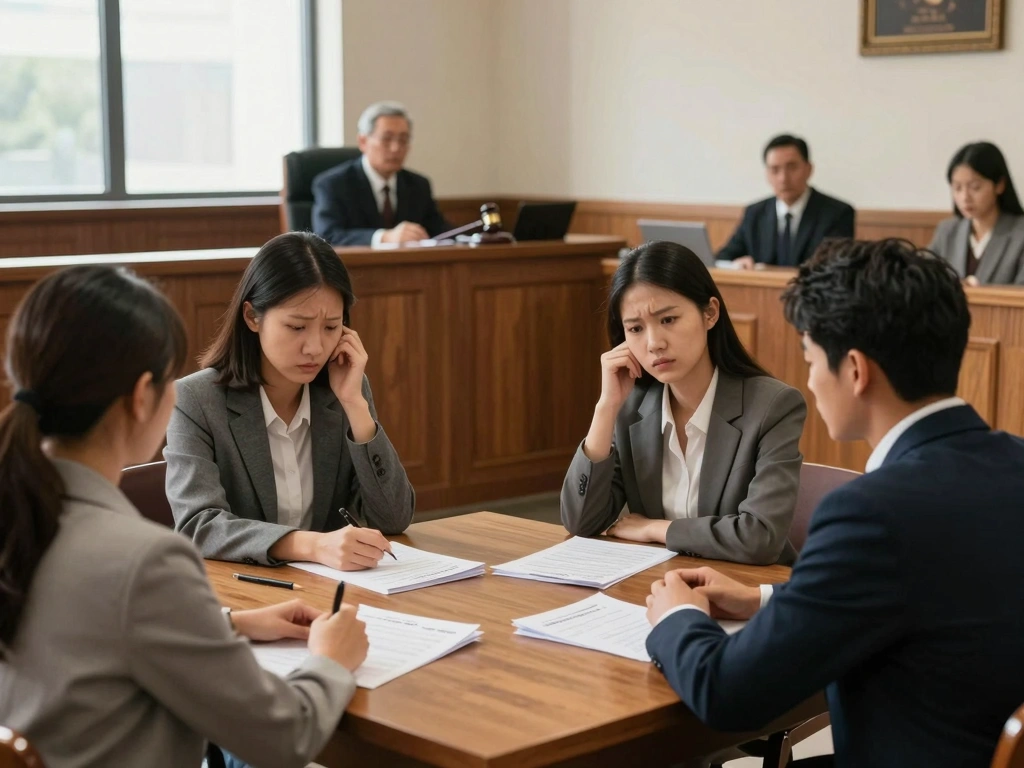
Small Claims Court is a specialized judicial system designed to resolve disputes involving relatively small amounts of money quickly and inexpensively. It provides a streamlined process for individuals and businesses to seek restitution for unpaid debts, including unpaid invoices, without the need for legal representation. The primary purpose of Small Claims Court is to ensure that justice is accessible to all, promoting fairness and efficiency in the resolution of minor financial disputes.
Jurisdiction and Limits
Each state in the U.S. has its own Small Claims Court system, and the jurisdictional limits can vary significantly. Typically, the limit for claims ranges from $2,500 to $25,000, depending on the state. For example, California allows claims up to $10,000 for individuals and $5,000 for businesses, while Texas sets its limit at $20,000. Understanding the specific limits in your jurisdiction is crucial when considering whether to file a claim for an unpaid invoice.
Typical Cases Handled
Small Claims Court handles a variety of cases, but they predominantly revolve around financial disputes. Common cases include:
- Unpaid invoices for goods and services rendered
- Security deposit disputes
- Property damage claims
- Contract disputes
In the context of unpaid invoices, Small Claims Court serves as an effective venue for businesses and individuals to recover amounts owed, often stemming from freelance work, construction contracts, or service agreements.
Eligibility Criteria for Filing a Claim
Who Can File a Claim?
To file a claim in Small Claims Court, the claimant must meet certain eligibility criteria. Typically, any individual or business entity that is owed money can file a claim. This includes:
- Small business owners
- Freelancers and independent contractors
- Consumers who have not received goods or services they paid for
It's important to note that the defendant (the person or entity being sued) must also reside or have a business presence within the jurisdiction of the Small Claims Court where the claim is filed.
Types of Unpaid Invoices Eligible
Not all unpaid invoices may qualify for Small Claims Court. Eligible types of unpaid invoices typically include:
- Invoices for freelance services (e.g., graphic design, consulting)
- Invoices for products delivered (e.g., wholesale goods)
- Unpaid service contracts (e.g., landscaping, cleaning services)
Ineligible claims may involve complex contracts or disputes exceeding the jurisdictional monetary limits. For example, if a contractor has an unpaid invoice of $30,000, they would have to pursue traditional court proceedings, as it exceeds the Small Claims Court limit.
Time Limits for Filing
Each jurisdiction imposes specific time limits, known as statutes of limitations, on how long a claimant has to file a Small Claims Court case after an invoice becomes overdue. This period can range from as short as 1 year to as long as 6 years, depending on state law. For instance, in New York, the limit is 6 years for most contracts, while in California, it is 2 years for oral contracts and 4 years for written contracts. Understanding these timelines is essential for ensuring that claims are filed in a timely manner.
The Process of Filing a Claim for Unpaid Invoices
Gathering Necessary Documentation
The first step in filing a claim for an unpaid invoice is to gather all relevant documentation. This may include:
- The original invoice and any subsequent reminders or communications
- Contracts or agreements that outline the terms of service
- Proof of delivery or completion of services (e.g., receipts, emails, photographs)
- Any correspondence with the debtor regarding the unpaid invoice
Having thorough documentation is vital, as it will serve as the foundation of your case in court.
Filling Out the Claim Form
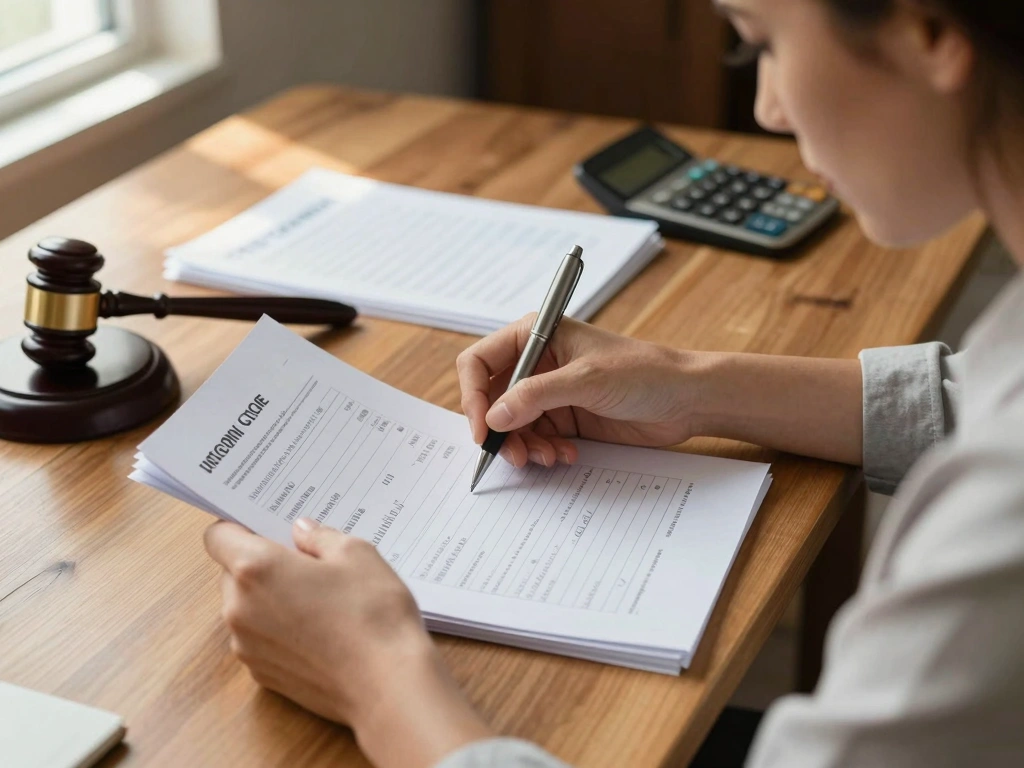
Once you have gathered the necessary documentation, the next step is to complete the Small Claims Court claim form. This form generally requires you to provide:
- Your name and contact information
- The name and contact information of the defendant
- The amount being claimed and a brief description of the reason for the claim
Each court may have its own specific form, which can typically be obtained from the court's website or in person at the courthouse. Ensure that all information is accurate and complete to avoid delays in processing your claim.
Filing Fees and Payment Methods
Filing a claim in Small Claims Court usually involves paying a filing fee, which can vary by jurisdiction. Fees typically range from $30 to $300, depending on the amount being claimed. For example, in Florida, the fee for filing a claim up to $100 is around $55, while larger claims can incur higher fees. Payment methods accepted can include cash, check, or credit card, depending on the court's policy. It is wise to check the specific payment methods accepted by your local Small Claims Court before filing.
Preparing for the Small Claims Court Hearing
Organizing Evidence and Witnesses
Preparation is key to success in Small Claims Court. Organizing your evidence and identifying potential witnesses can significantly enhance your case. Start by:
- Creating a chronological list of all events related to the unpaid invoice
- Organizing documents in a binder or folder for easy access during the hearing
- Preparing witness statements or arranging for witnesses to testify on your behalf
For instance, if you are a freelance web designer and your client has not paid for completed work, a witness (such as a colleague who can vouch for the quality of your work) could bolster your case.
Understanding Courtroom Etiquette
Understanding courtroom etiquette is essential for a successful hearing. Some fundamental rules include:
- Arrive on time, as tardiness may negatively impact your case.
- Dress appropriately, as first impressions can influence the judge's perception.
- Be respectful to the judge, court staff, and the opposing party.
Additionally, practicing good communication is vital. Speak clearly and confidently when presenting your case, and listen carefully to any questions or comments from the judge.
Presenting Your Case Effectively
During the hearing, you will have the opportunity to present your case. To do this effectively:
- Start with a brief overview of the situation, including the nature of the unpaid invoice.
- Present your evidence in a logical order, referring to documents and witness statements as necessary.
- Be concise and stick to the facts, avoiding emotional appeals or unrelated issues.
For example, if you are claiming $1,500 for graphic design work, clearly outline the terms of the agreement, the services provided, and any communications regarding payment. Remember that the judge's role is to evaluate the evidence presented, so clarity and organization are crucial.
Post-Hearing Actions and Collections
Understanding the Court's Decision
After both parties have presented their cases, the judge will issue a decision, which may either rule in favor of the claimant or the defendant. If the court rules in your favor, you will receive a judgment stating the amount owed. However, it's essential to note that winning the case does not guarantee immediate payment, as collecting the judgment is a separate process.
Enforcing the Judgment
If the defendant does not voluntarily pay the judgment amount, you may need to take additional steps to enforce the judgment. Common enforcement methods include:
- Wage garnishment, where a portion of the debtor's wages is withheld to satisfy the debt.
- Bank levies, where funds are taken directly from the debtor's bank account.
- Property liens, which place a claim against the debtor's property until the debt is paid.
Each of these methods has specific legal requirements and processes, so it is advisable to consult with local court procedures to understand how to proceed.
Options if the Judgment is Not Paid
In instances where the judgment remains unpaid despite your efforts, several options may be available:
- Consider hiring a collection agency, which can help recover the debt for a fee or commission.
- File a motion with the court for further enforcement options.
- Reevaluate the situation and consider whether pursuing additional legal action is feasible.
Ultimately, the path you choose will depend on the circumstances surrounding the unpaid invoice and the responsiveness of the debtor. For example, if a small business has been unresponsive to your attempts to collect, involving a professional collection agency may provide a more effective resolution.