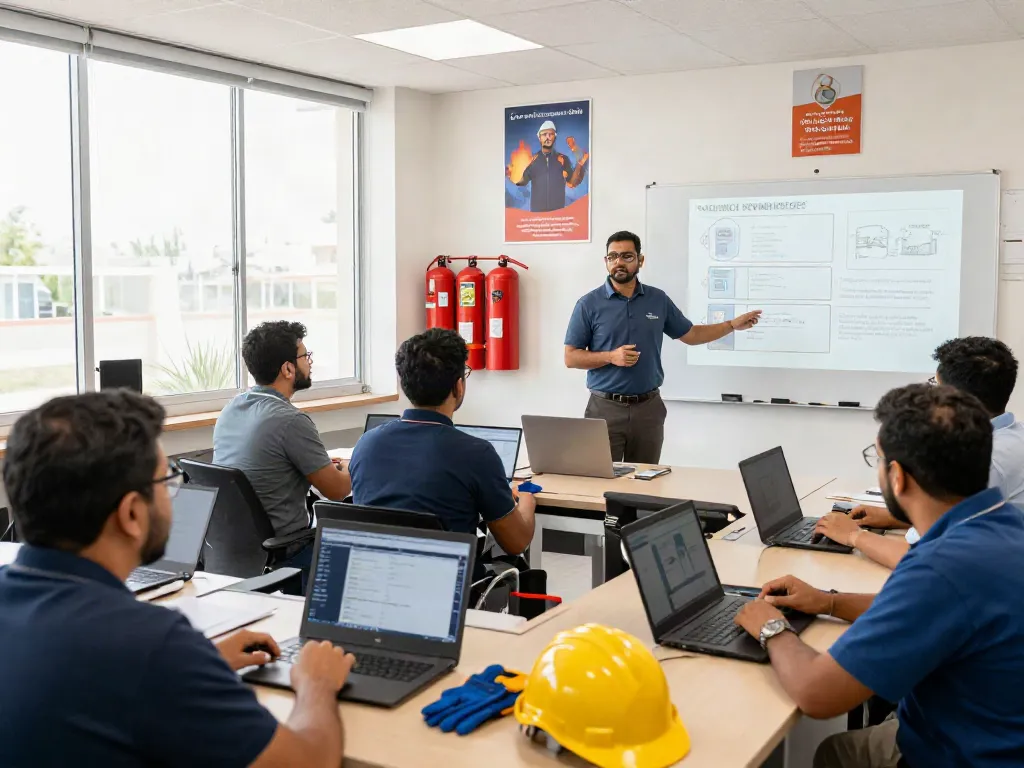
Understanding HSE Training in Saudi Arabia
Health, Safety, and Environment (HSE) training is a critical component for professionals across various industries in Saudi Arabia. As the Kingdom continues to develop its infrastructure and industrial capabilities, the demand for skilled safety professionals has surged. Organizations are increasingly prioritizing HSE standards to ensure compliance with both local regulations and international best practices. For those looking to enhance their qualifications, understanding the landscape of HSE training institutes is essential. When exploring options, Training Institute Saudi Arabia provides comprehensive insights into available courses and certifications.
What is HSE Training?
HSE training encompasses a range of courses designed to equip professionals with the knowledge and skills necessary to manage health, safety, and environmental risks effectively. It includes regulatory standards, risk assessment methodologies, and emergency response protocols. Training programs often lead to certifications that signify competence in specific areas, making them invaluable for career advancement in sectors such as oil and gas, construction, and manufacturing.
Importance of HSE Certifications for Professionals
Obtaining HSE certifications is crucial for professionals looking to distinguish themselves in the job market. These qualifications not only demonstrate a commitment to workplace safety but also enhance employability. Employers across industries prefer candidates with recognized certifications, as it reflects an understanding of safety standards and practices. Furthermore, many job positions in Saudi Arabia now require specific HSE certifications, making them essential for career progression.
Overview of Training Institute Options in Saudi Arabia
Saudi Arabia boasts a variety of training institutes offering HSE courses and certifications. These institutes cater to a broad audience, from entry-level professionals to seasoned safety managers. Some of the prominent organizations include Burraq Consulting, which provides internationally recognized certifications like those from the National Fire Protection Association (NFPA) and ProQual (UK). With locations across major cities such as Riyadh, Jeddah, and Dammam, these institutes provide both in-person and online training options, making HSE education accessible to all.
Top HSE Certifications Offered
NATIONAL FIRE PROTECTION ASSOCIATION (NFPA) Certification
The NFPA certification is highly regarded in the safety industry, focusing on fire prevention and safety management. This certification equips professionals with the necessary tools to develop and implement effective fire protection strategies within their organizations. With the growing focus on fire safety in large industrial operations in Saudi Arabia, NFPA training has become increasingly essential.
ProQual Diplomas in Health and Safety
ProQual offers a range of diplomas that are internationally recognized, providing professionals with advanced knowledge in health and safety management. The NVQ Level 6 Diploma in Occupational Health and Safety Practice and the Level 7 Diploma in Strategic Health and Safety Leadership and Management are highly sought after by employers. These programs delve into strategic decision-making and leadership within the realm of health and safety, making them ideal for those aiming for managerial roles.
IOSH Managing Safely and Other Relevant Courses
The Institution of Occupational Safety and Health (IOSH) Managing Safely course is designed for managers and supervisors. It covers the essentials of health and safety management and equips participants with the skills to ensure workplace safety. Other relevant courses include the International Award in Fire Safety and the Award in Risk Assessment, which provide foundational knowledge in safety practices.
Choosing the Right Training Institute
Factors to Consider When Selecting a Training Provider
Selecting the right training institute is crucial for achieving professional development goals. Key factors to consider include the institute's reputation, accreditation status, and course offerings. A reputable institution will have established partnerships with recognized organizations, ensuring that the training delivered is of high quality and meets industry standards.
Comparing Costs and Program Offerings
Cost is an important consideration when choosing a training program. Prospective students should compare tuition fees, materials, and any additional costs like certification exams. Some institutes may offer discounts for group bookings or corporate training, making it advantageous for employers investing in their employees' HSE training.
Evaluating Training Quality and Accreditation
Accreditation is a vital indicator of training quality. Accreditation from recognized bodies such as ProQual, IOSH, and NFPA ensures that the training meets international standards. Candidates should verify that their chosen institute is an accredited provider to ensure they receive a recognized qualification that will be respected by employers.
Strategies for Effective HSE Training Implementation
How to Conduct a Workplace Risk Assessment
One of the fundamental skills taught in HSE training is conducting a workplace risk assessment. This process involves identifying potential hazards, evaluating the risks associated with those hazards, and implementing control measures to mitigate them. Effective training should provide practical tools and methodologies that can be applied in real-world settings.
Creating Customized On-Site Training Programs
On-site training programs allow organizations to tailor courses to their specific needs. This approach ensures that the content is relevant to employees' day-to-day activities, enhancing the effectiveness of the training. Many training institutes offer customized content delivery options to accommodate unique organizational requirements.
Utilizing Technology and Online Learning Platforms
The rise of digital learning platforms has transformed HSE training. Online courses, webinars, and interactive modules provide flexibility for professionals to learn at their own pace. This accessibility is particularly beneficial for individuals with busy schedules or those who prefer self-directed learning.
The Future of HSE Training in 2026 and Beyond
Emerging Trends in Safety Training
The future of HSE training is likely to see an increased focus on technology integration, such as virtual reality (VR) simulations and AI-driven assessments. These innovations can enhance the training experience, providing immersive learning opportunities that reinforce safety concepts effectively.
Impact of Regulatory Changes on Training Requirements
Regulatory bodies in Saudi Arabia are continually updating safety standards to align with international norms. This dynamic environment requires HSE training providers to adapt their curricula regularly to ensure compliance. Professionals must stay informed about these changes to maintain their certifications and ensure their organizations remain compliant.
Advice from Industry Experts on Preparing for the Future
Industry experts advise aspiring HSE professionals to commit to lifelong learning and stay updated on industry trends and developments. Networking with peers and joining professional organizations can also provide valuable resources and insights into emerging best practices in health and safety management.
What are the most popular HSE courses in Saudi Arabia?
Some of the most sought-after HSE courses in Saudi Arabia include NFPA certifications, ProQual diplomas, and IOSH managing safely courses. These programs are highly regarded by employers and help professionals enhance their skills effectively.
How can I upgrade my HSE certifications?
To upgrade HSE certifications, professionals should look into advanced courses offered by accredited institutions. Many organizations provide pathways for continuing education, making it easier for individuals to stay current with their qualifications.
What is the cost of HSE training in Saudi Arabia?
The cost of HSE training in Saudi Arabia varies based on the course and provider. It is advisable for prospective students to compare several options to find programs that fit within their budgets while still offering high-quality instruction.
How long does it take to complete HSE certifications?
The duration of HSE certification programs can vary widely. Short courses may last a few days, while more comprehensive diplomas could take several months to complete. Understanding the time commitment required is important for students when selecting their courses.
Are online HSE training programs effective?
Yes, online HSE training programs can be effective if they are well-structured and delivered by accredited providers. They offer flexibility and can include interactive elements that enhance learning outcomes, making them a viable option for many professionals.