Understanding the Celebrity Look-Alike Phenomenon
The fascination with celebrity look-alikes has surged in recent years, intertwining our admiration for stars with social interactions fueled by technology. Users across various platforms engage with applications that not only entertain but also explore personal identity through celebrity comparisons. The phrase “celebrity i look like” encapsulates this phenomenon, inviting individuals to discover which famous faces mirror their own. This curiosity about physical resemblance often transcends mere entertainment, tapping into deeper psychological themes about self-image and cultural significance.
What Does "Celebrity I Look Like" Mean?
The concept of discovering which celebrity one resembles can be defined through both a technological lens and a psychological perspective. At its core, "celebrity I look like" is an interactive experience where individuals upload their photos to receive comparisons to famous personalities. This playful engagement can lead to surprising results, sometimes highlighting similarities that users might not have initially recognized. Through this lens, celebrities serve as a cultural mirror, reflecting societal ideals of beauty and attractiveness.
The Impact of Celebrity Comparisons on Self-Image
Celebrity comparisons can have profound implications for self-image. On one hand, seeing a likeness to a beloved star can boost confidence and validate one’s own appearance. Conversely, it can also lead to negative feelings if the comparison feels unattainable or if the user perceives their likeness in a less favorable light. As understanding of mental health evolves, it’s crucial to approach such applications with a critical eye, recognizing both their potential benefits and drawbacks.
How Social Media Drives the Look-Alike Trend
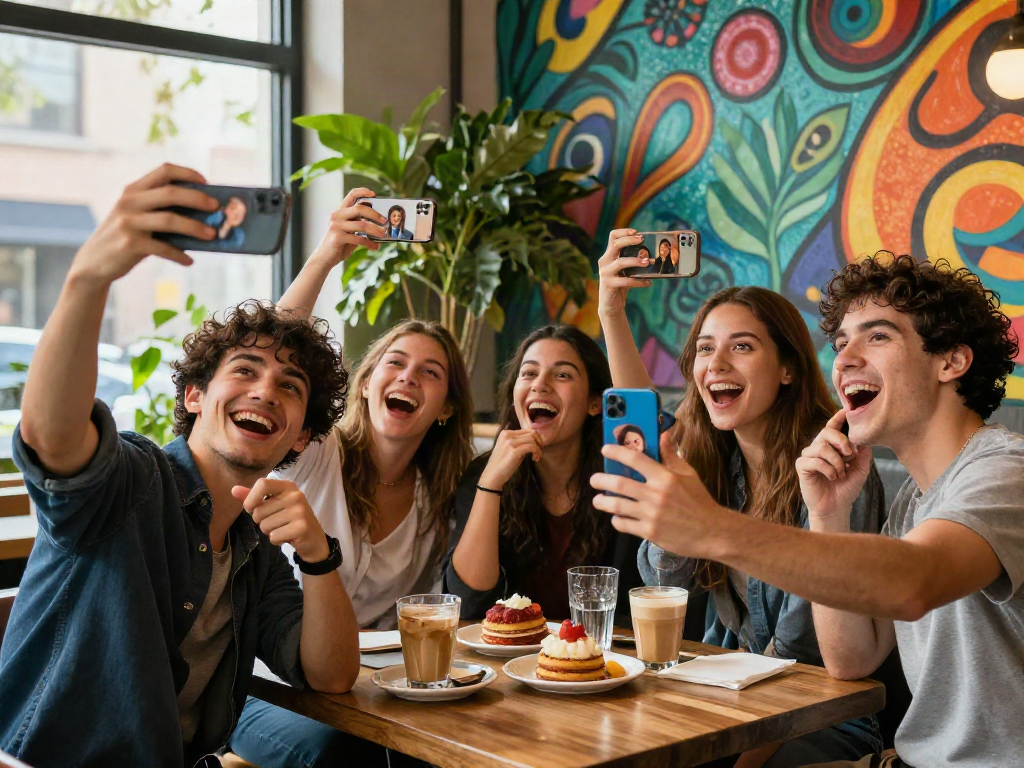
Social media platforms are pivotal in popularizing the celebrity look-alike trend. User-generated content thrives on platforms like Instagram and TikTok, where individuals share their look-alike results, prompting engagement and discussion. Hashtags like #CelebrityLookAlike create communities where individuals celebrate their resemblance to famous figures, further encouraging the exploration of identity through comparison. The viral nature of such trends also invites users to participate in challenges that highlight their celebrity counterparts, thus perpetuating the phenomenon.
Technology Behind Celebrity Look-Alike Apps
The rise of celebrity look-alike apps is closely tied to advancements in artificial intelligence and facial recognition technology. These innovations allow for more accurate and engaging results that keep users coming back for more. By understanding the underlying mechanics, users can appreciate the complexity involved in these light-hearted applications.
How Face Recognition Algorithms Work
At the core of celebrity look-alike applications is sophisticated facial recognition technology. These algorithms analyze facial geometry, including the distance between key facial features such as the eyes, nose, and mouth. By comparing these measurements to a vast database of celebrity images, the software can identify potential matches. Enhanced machine learning techniques further refine these comparisons, allowing users to receive increasingly accurate results.
Popular Celebrity Look-Alike Apps Reviewed
Several notable applications dominate the celebrity look-alike market, each offering unique features and user experiences. Among the top apps, "Celebs - Celebrity Look Alike" boasts over 177,000 ratings with an average score of 4.4, while "StarByFace" employs neural networks to suggest matches. The "Look-Alike Celebrity" app also utilizes advanced AI to analyze facial data, highlighting the competitive nature of this industry. Each app presents a different approach to the same goal: allowing users to discover their celebrity doppelgängers.
Emerging Technologies in Image Analysis for 2026
Looking ahead, we can anticipate more nuanced developments in image analysis technology by 2026. With advancements in deep learning and computer vision, apps will not only provide a list of celebrity matches but might also feature enhanced interactive experiences. This could include augmented reality (AR) to visualize how a user would look in a celebrity's style or even personalized style advice based on their look-alike. Such innovations promise to make the experience more engaging and tailored to individual preferences.
User Experience and Engagement Strategies
Creating an engaging user experience is crucial for the success of celebrity look-alike applications. By blending innovative technology with user-centered design, these apps can attract and retain users effectively.
Designing an Engaging Look-Alike Experience
The design of a celebrity look-alike app must prioritize user engagement and enjoyment. A responsive interface with easy navigation and visually appealing graphics can enhance user interaction. Additionally, incorporating gamification elements—such as rewards for sharing results on social media or completing challenges—can foster a sense of community and encourage users to return to the app.
Integrating User-Generated Content
User-generated content serves as a powerful tool for engagement. By allowing users to share their look-alike results and interact with others, apps can create a vibrant community. Features that enable users to rate or comment on each other’s results can further encourage interaction and create a sense of belonging within the app.
Challenges in Maintaining User Interest Over Time
Despite the initial excitement surrounding look-alike apps, maintaining user interest can be challenging. Regular updates with new celebrity databases, seasonal features, and collaboration with influencers can help. Additionally, creating themed contests or challenges can keep the community engaged and encourage users to return frequently.
Marketing the "Celebrity I Look Like" Concept
Effective marketing strategies are essential to promote celebrity look-alike applications in a saturated market. By identifying target demographics and leveraging social media, brands can create campaigns that resonate with users.
Effective Marketing Strategies for Look-Alike Apps
To effectively market a celebrity look-alike app, brands should focus on digital marketing strategies that include SEO-optimized content, targeted ads on social media, and influencer partnerships. Creating shareable content that features users' results can encourage organic promotion and increase visibility. Engaging with users through interactive polls or contests can also boost brand recognition.
Influencer Collaborations in Social Media Campaigns
Partnering with social media influencers can amplify the reach of a look-alike app. Influencers can showcase their results, share their experiences, and encourage their followers to try the app. Such collaborations can lend credibility and attract a wider audience, especially among younger demographics who are active on platforms like TikTok and Instagram.
Case Studies of Successful Celebrity Look-Alike Promotions
Examining successful case studies can provide insight into effective promotional strategies. For instance, a well-executed campaign by an existing look-alike app featured user-generated content showcasing real results, successfully creating a buzz across social media platforms. By offering incentives such as prizes for the most creative shares, the campaign significantly increased user engagement and app downloads.
Future Trends and Predictions
As we approach 2026, the celebrity look-alike landscape is poised for significant evolution. Emerging technologies will redefine user experiences and expectations.
What to Expect in the Celebrity Look-Alike Landscape by 2026
By 2026, we will likely see further integration of artificial intelligence and machine learning in celebrity look-alike applications. Advances in these technologies could lead to more personalized results and improved accuracy in facial analysis, enabling deeper connections between users and the app itself. Furthermore, as user expectations shift, applications may start to offer additional services related to celebrity fashion and beauty that align with identified look-alikes.
The Role of AI in Personalization and User Experience
Artificial intelligence will play a crucial role in providing a personalized user experience. By analyzing user preferences and previous interactions, apps can curate tailored content that caters to individual tastes. For instance, if a user frequently shares results resembling a particular genre of celebrity, the app may provide content recommendations that align with that theme, enhancing engagement and satisfaction.
Potential Ethical Issues and User Privacy Concerns
Despite the entertainment value of celebrity look-alike apps, potential ethical issues arise concerning user privacy. As these applications require personal photos, ensuring robust data protection and transparency about how images are used is critical. Users must be informed about data usage and given control over their personal information to foster trust and long-term engagement.
How Can I Find My Celebrity Look-Alike?
Finding your celebrity look-alike is as simple as using one of the many available apps. Most require users to upload a clear photo for instant analysis. The technology will then match facial features with a database of celebrities, providing results that can be shared and enjoyed among friends. It’s essential to choose a reputable application that prioritizes user privacy.
Are Celebrity Look-Alike Apps Accurate?
Accuracy in celebrity look-alike apps varies depending on the technology used and the quality of the facial recognition algorithms. While many apps make significant strides in accuracy, results can still be subjective and influenced by user input. Users should approach the results with a hint of fun rather than absolute certainty, as resemblance can be interpreted in many ways.
What Privacy Measures Should I Take When Using These Apps?
When using celebrity look-alike apps, users should prioritize their privacy. This includes reviewing the app’s privacy policy, ensuring it does not share personal data without consent, and, if possible, opting out of data collection for marketing purposes. Users should also be cautious about sharing results on social media, considering the implications of their images being public.
Can I Use Celebrity Look-Alike Results for Marketing?
Using celebrity look-alike results for marketing is an innovative approach. Businesses can leverage the fun aspect of these results to engage customers, potentially incorporating look-alike features in promotional campaigns. However, it’s vital to ensure any usage complies with legal standards and respects user privacy rights.
What Future Trends Should I Watch in This Industry?
As technology advances, users should watch for trends such as heightened personalization, improved accuracy of facial recognition, and greater ethical considerations regarding user data. The integration of AR and virtual reality could also redefine how users interact with their celebrity counterparts and the overall experience of celebrity look-alike apps.