Understanding Age Perception
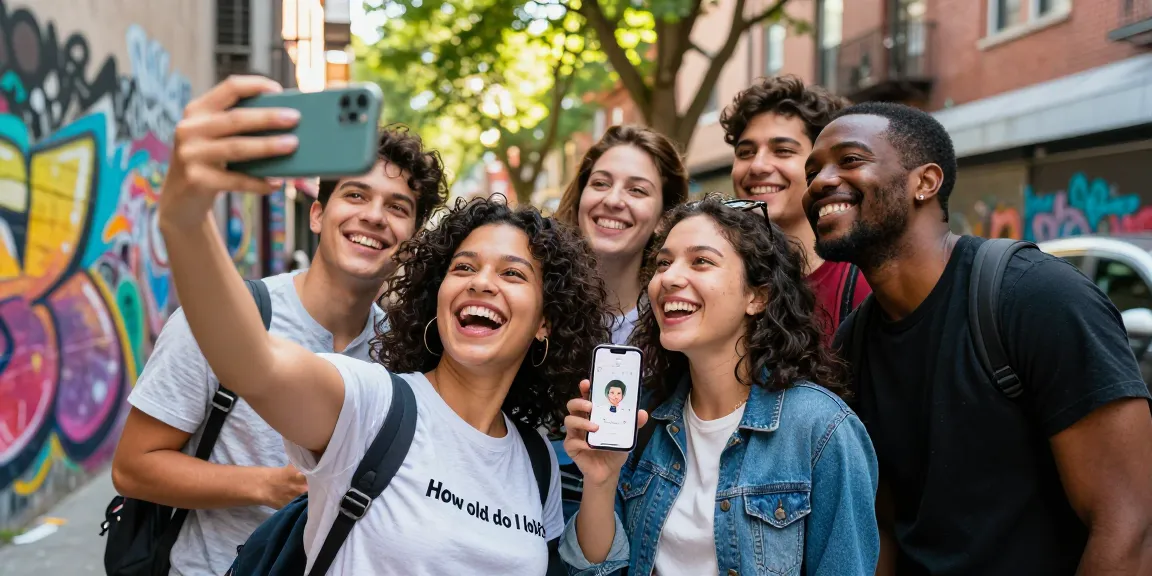
Age perception is an intricate blend of genetics, lifestyle choices, and environmental factors. It refers to how individuals perceive their own age and the age of others based on physical appearance and various social cues. Many people often wonder, how old do I look, as this question intertwines with our societal norms and expectations about aging. Understanding the nuances of age perception not only sheds light on our self-image but also helps us navigate the complexities of social interactions.
What Does It Mean to "Look Your Age"?
To "look your age" means that one's appearance aligns with societal expectations for individuals of a certain age. This concept is subjective and can vary significantly across different cultures and communities. Factors such as skin condition, facial structure, and physical fitness all play a role in how age is perceived. As societal standards evolve, so too does the definition of what it means to "look your age."
Factors Influencing Facial Age Estimation
Several factors contribute to how age is estimated based on facial appearance:
- Genetics: Heredity plays a significant role in skin elasticity, hair color, and other aging signs.
- Lifestyle: Habits such as smoking, sun exposure, and diet have profound effects on skin health and aging.
- Environmental Factors: Pollution and climate can also influence skin condition and perceived age.
- Psychological Factors: Stress and overall mental health can manifest physically, impacting how one appears.
Common Myths about Aging and Appearance
Numerous myths surround the topic of aging. For instance, many believe that aging is entirely dictated by genetics, ignoring the impact lifestyle choices can have. Others may think that certain beauty products can reverse aging effects dramatically; while some products can improve appearance, they do not stop the natural aging process. Disentangling these myths is crucial for fostering a realistic understanding of aging.
AI Technology Behind Age Estimation
As technology evolves, artificial intelligence (AI) has emerged as a powerful tool for estimating age through facial analysis. By leveraging complex algorithms, AI can identify various signs of aging that the human eye might overlook. This section will delve into how these systems function and their implications for users.
How AI Analyzes Facial Features
AI-powered age estimation tools analyze distinct facial features including:
- Fine Lines and Wrinkles: The presence and depth of these features often indicate how old someone appears.
- Skin Texture: Smoothness versus roughness can suggest different age brackets.
- Facial Contours: Changes in the firmness and shape of the jawline are typical with aging.
Machine learning models trained on vast datasets can draw correlations between these features and perceived age, providing a reliable estimate based on visual data.
The Science of Machine Learning in Age Prediction
Machine learning relies on data patterns learned from numerous examples to make age predictions. These algorithms undergo training phases where they "learn" age indicators by reviewing thousands of images. As they process new data, their predictive accuracy improves, allowing them to assess age with remarkable precision.
Benefits of Using AI for Age Verification
Utilizing AI for age estimation offers several advantages:
- Speed: Results are generated in seconds, making it a fast solution for users.
- Accessibility: Anyone with access to a smartphone or computer can engage with these tools.
- Privacy: Many AI platforms prioritize user privacy and data security, ensuring a safe experience.
Using Online Tools for Age Estimation
For individuals curious about their perceived age, numerous online tools are available that leverage AI technology. These tools make it easy to estimate facial age through a simple upload or live scan, allowing users to explore their appearance in a new light.
Top Tools Available for Age Analysis
Some prominent tools available online include:
- FaceAge.ai: An AI-powered face age estimator that provides rapid results.
- Fotor: A user-friendly interface for age guessing that requires no signup.
- HowOldDoYouLook.com: Offers instant results by analyzing uploaded photos.
Step-by-Step Guide to Using Face Age Apps
Using a face age calculator typically involves the following steps:
- Choose a platform or app of your choice.
- Upload a clear, recent photo of yourself.
- Wait for the AI to analyze the image.
- Review your estimated age and any additional insights provided.
Privacy Considerations When Uploading Your Photos
While these tools can provide intriguing insights, privacy is a major concern. Always ensure that the platform you choose has robust privacy policies in place to protect your data. Pay attention to whether they store images and how they use the information collected.
Comparing Age Estimation Tools
With the multitude of age estimation tools available, selecting the right one can be challenging. Understanding the strengths and weaknesses of each tool can help users make informed decisions.
Review of Popular Age Estimation Apps
Here’s a closer look at some popular apps:
- FaceAge by NOVOS: Utilizes extensive research to provide a robust analysis.
- BeautyPlus: Known for its quick processing times and accuracy in age guessing.
- Longevity’s Face Age Calculator: Allows for both photo uploads and live scanning for immediate results.
How to Choose the Right Tool for You
Selecting the appropriate age estimation tool depends on a few factors:
- Accuracy: Prioritize tools with positive reviews regarding accuracy.
- Usability: The interface should be user-friendly and intuitive.
- Privacy: Ensure that the app complies with data protection regulations.
Real User Experiences and Feedback
User experiences often highlight the effectiveness and limitations of age estimation tools. Feedback can provide insights into aspects like ease of use, perceived accuracy, and customer support, which can guide new users in their selection process.
Future Trends in Age Estimation Technology
The evolution of AI in age estimation technology is ongoing, with numerous advancements anticipated in the near future. As machine learning algorithms become more sophisticated, we can expect more accurate results and enhanced user experiences.
What to Expect in AI Development by 2026
By 2026, advancements may include:
- Integrated Features: Combining age estimation with other applications like skincare recommendations.
- Adaptive Learning: Tools that improve their accuracy based on user feedback.
- Real-Time Analysis: Increased capabilities for real-time age assessment using live video input.
Implications of Age Estimation Tools on Society
Age estimation tools have broader implications on social media, dating apps, and personal branding. As users increasingly incorporate age analysis into their digital personas, it could shape perceptions of attractiveness and desirability in various contexts.
How Aging Recognition Technology Will Evolve
As technology progresses, aging recognition is likely to refine, with potential applications expanding into health monitoring and personalized age-appropriate recommendations. This could pave the way for enhanced health interventions based on individual aging patterns.
Is It Accurate to Ask "How Old Do I Look?"
Asking "how old do I look?" taps into personal insecurities about aging, but it can also foster self-reflection and acceptance. Tools that provide feedback can serve as a confidence booster or a moment of revelation regarding one’s self-image.
What Factors Impact Your Perceived Age?
Factors like lifestyle choices, emotional health, and societal expectations significantly influence perceived age. Recognizing these can empower individuals to take proactive steps in managing their appearance and self-perception.
Can Age Estimation Help in Social Media?
On platforms where appearance is key, age estimation can inform users about how they are perceived, potentially guiding them in presenting themselves authentically while also appealing to their desired audience.
Are There Limits to Age Estimation Technologies?
Despite rapid advancements, age estimation technologies are not infallible. Variations in lighting, facial expression, and image quality can all affect accuracy, necessitating a critical approach to their results.
How Can You Verify the Age Results?
Cross-referencing results from multiple age estimation tools can help verify accuracy. Additionally, seeking feedback from peers or consulting with dermatologists can provide more grounded insights.