Understanding Telemedicine for Stroke
In recent years, the field of healthcare has undergone a dramatic transformation, driven by the evolution of technology and digital health solutions. One of the most remarkable advancements is the rise of telemedicine, particularly in the management of acute health conditions such as strokes. Telemedicine for stroke provides critical care to patients in remote or underserved areas, bridging the gap between patients and specialists through innovative communication technologies. By leveraging these tools, healthcare providers can ensure timely diagnosis and treatment, ultimately improving patient outcomes.
What is Telemedicine for Stroke?
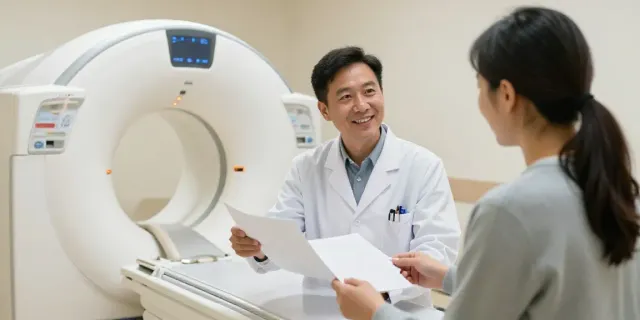
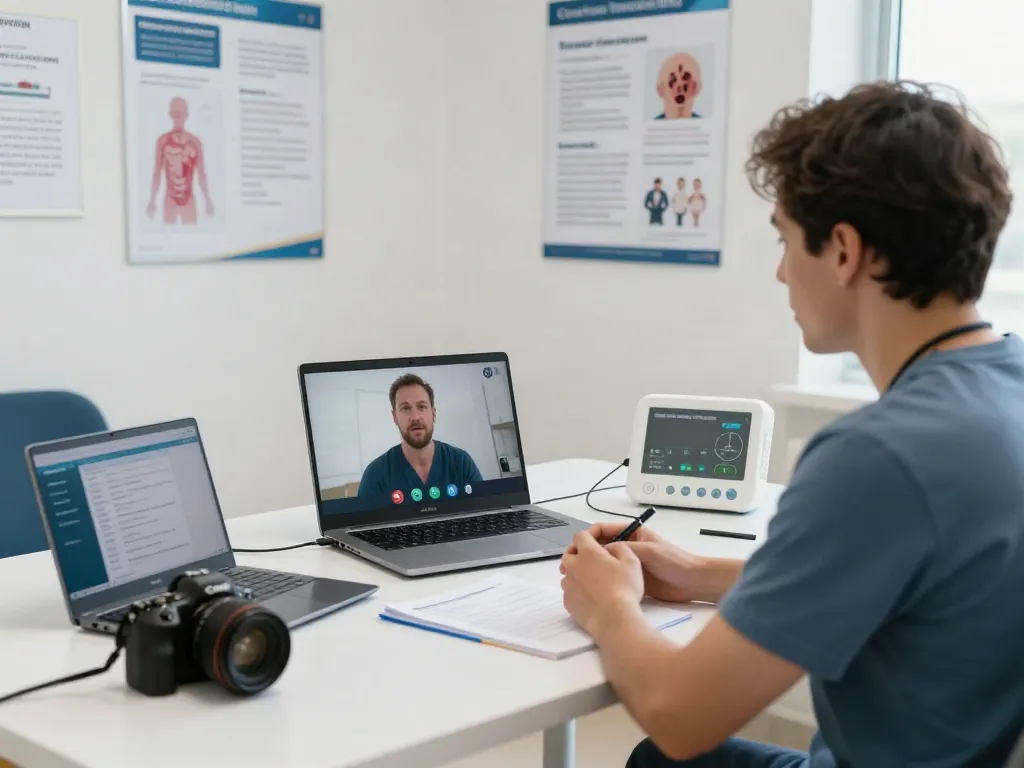
Telemedicine for stroke, often referred to as telestroke, involves the remote assessment, diagnosis, and management of stroke patients using telecommunications technology. This modality allows neurologists at specialized centers to evaluate patients in smaller, rural hospitals, thereby enhancing access to high-quality stroke care. Through video consultations, healthcare professionals can assess symptoms, review brain imaging, and make urgent treatment decisions, all without the need for patients to travel long distances.
Importance of Timely Intervention
When it comes to stroke treatment, time is of the essence. The phrase "time is brain" underscores the critical importance of rapid intervention. Each minute a stroke goes untreated can result in significant brain cell death, increasing the risk of long-term disability or death. With telemedicine, vital interventions such as thrombolysis can be initiated sooner, often before the patient even arrives at the hospital. This rapid response is crucial in improving recovery outcomes for stroke patients.
Telemedicine Technologies in Stroke Care
Modern telemedicine employs a range of technological tools, including high-definition video conferencing, electronic health records (EHRs), and advanced imaging systems. These technologies enable a seamless flow of information between patients and healthcare providers. As a part of an integrated healthcare system, telemedicine facilitates the rapid sharing of medical images, lab results, and patient histories, which are essential for effective stroke management. For more insights into comprehensive stroke care, check out Telemedicine for stroke.
Benefits of Telemedicine in Stroke Management
Access to Specialists in Remote Areas
One of the most significant advantages of telemedicine is its ability to connect patients in rural or underserved areas with specialized stroke care. Many smaller hospitals lack the resources to provide comprehensive stroke treatment. By utilizing telemedicine, these facilities can consult with stroke experts who are often located miles away, ensuring that patients receive timely and appropriate care. This access is particularly vital in emergencies where every minute counts.
Improving Patient Outcomes and Recovery
The implementation of telemedicine has been associated with improved patient outcomes. Studies have shown that patients treated via telestroke are more likely to receive timely interventions, such as thrombolytic therapy, which can significantly reduce morbidity. Additionally, follow-up care can also be conducted through telemedicine, allowing for continuous monitoring and support throughout the patient's recovery journey.
Cost-Effectiveness of Telemedicine Solutions
Telemedicine is not only beneficial for patient care but also offers a cost-effective solution for healthcare systems. By reducing the need for patient transfers to specialized centers, telemedicine can decrease transportation costs and hospital overheads. Moreover, enhancing efficiencies in stroke care can lead to lower rates of long-term disability and associated healthcare costs, thus benefiting both providers and patients financially.
Implementation Strategies for Healthcare Providers
Setting Up Telemedicine Infrastructure
To effectively implement telemedicine for stroke care, healthcare providers must establish a robust infrastructure. This involves investing in high-quality telecommunications equipment, ensuring reliable internet connectivity, and adopting secure digital platforms for patient data management. Additionally, integrating telemedicine solutions into existing hospital protocols is essential for seamless operations.
Training Staff for Telemedicine Services
Proper training is critical for the successful deployment of telemedicine services. Healthcare professionals need to be familiar with the technology, protocols, and best practices for evaluating and managing stroke patients remotely. Continuous education and training can enhance staff confidence and proficiency in delivering care via telemedicine.
Integrating Telemedicine with Existing Protocols
For telemedicine to be effective, it must be synchronized with the existing clinical workflows of healthcare providers. This includes the integration of telemedicine assessments with in-person care pathways, ensuring a comprehensive approach to stroke management. Healthcare systems should also develop guidelines to facilitate the transition between telemedicine and traditional treatment methods.
Challenges and Solutions in Telemedicine for Stroke
Technological Barriers and Solutions
Despite its advantages, telemedicine for stroke faces several challenges, particularly related to technology. Issues such as inadequate internet connectivity and limited access to devices can hinder the delivery of care. To address these barriers, healthcare organizations should collaborate with technology providers to enhance infrastructure and explore alternative solutions, such as mobile telemedicine units or community-based telehealth initiatives.
Patient Resistance to Telemedicine
Some patients may be hesitant to utilize telemedicine services due to concerns about the effectiveness of remote evaluations or a preference for in-person visits. To mitigate this resistance, education and outreach programs can help inform patients about the benefits of telemedicine, demonstrating its effectiveness and convenience. Providing reassurance and support can also enhance patient acceptance of these innovative services.
Regulatory and Legal Considerations
Telemedicine operates within a complex regulatory framework that varies by region. Healthcare providers must navigate licensure requirements, reimbursement policies, and privacy regulations, which can complicate the implementation of telestroke services. Engaging with legal experts and regulatory bodies can help clarify these requirements and ensure compliance while delivering telemedicine services.
Future Trends in Telemedicine for Stroke Care
Emerging Technologies and Innovations
The future of telemedicine for stroke care is poised for further advancements, with emerging technologies such as artificial intelligence (AI) and machine learning playing pivotal roles. These technologies can assist in the rapid assessment of stroke risk factors and the interpretation of imaging data, potentially enhancing the accuracy and speed of diagnoses.
Predictions for Telehealth in 2026
By 2026, telemedicine is expected to become an integral component of stroke care, with widespread adoption across healthcare systems. Increased efficiency, improved access to care, and enhanced patient engagement are likely outcomes, driven by technological advancements and evolving patient preferences. The focus will continue to shift towards patient-centric care, with telemedicine enabling more personalized approaches to treatment.
Focus on Personalized Stroke Care
As telemedicine evolves, there will be a stronger emphasis on personalized stroke care tailored to individual patient needs. This could include customized rehabilitation programs delivered via telehealth, ongoing monitoring through wearable devices, and targeted interventions based on patient data. Such an approach not only enhances recovery but also empowers patients to actively participate in their treatment plans.
What are telemedicine services for stroke patients?
Telemedicine services for stroke patients encompass remote consultations, evaluations, and follow-up care, providing access to specialized neurologists and immediate treatment recommendations.
How effective is telemedicine for treating strokes?
Telemedicine has proven effective in treating strokes by facilitating rapid diagnosis and treatment, significantly improving patient outcomes and reducing the time to intervention.
What types of technology are used in telemedicine for stroke?
Common technologies used in telemedicine for stroke include high-definition video conferencing, digital imaging tools, and secure electronic health records that allow for seamless information exchange.
Are there any risks associated with telemedicine for stroke?
While telemedicine offers numerous benefits, risks include potential misdiagnosis due to limited physical examination capabilities and technological glitches that may impede communication.
How can patients prepare for a telemedicine consultation?
Patients can prepare for a telemedicine consultation by ensuring they have a reliable internet connection, a quiet environment for the appointment, and any necessary information readily available, such as medication lists and medical history.